
How to Skyrocket Your Organic Traffic with a Data-Driven Content Strategy
Are you creating content based on hunches and hoping it resonates? You’re not alone. Many marketers struggle to move the needle because they lack a systematic, data-driven content strategy. In an era where 68% of online experiences begin with a search engine, guessing is no longer a viable option. This guide will show you how to replace guesswork with a framework that systematically uncovers opportunities, creates high-impact content, and drives sustainable growth.
TL;DR: Key Takeaways
- Stop Guessing: A data-driven content strategy uses concrete signals from analytics, search data, and competitors to guide creation.
- The 5-Step Framework: Audit → Analyze → Map → Create → Amplify & Measure.
- Critical Metrics: Focus on Search Volume, Keyword Difficulty, Click-Through Rate (CTR), and Conversion Rate, not just vanity metrics.
- Content Gaps Are Goldmines: Use tools to find questions your competitors haven’t fully answered.
- Amplification is Non-Negotiable: Great content must be promoted and built a strong backlink profile to succeed.
Table of Contents
- What is a Data-Driven Content Strategy?
- Step 1: The Deep-Dive Content Audit
- Step 2: Uncovering Hidden Opportunities with Data Analysis
- Step 3: Strategic Content Mapping & Planning
- Step 4: Creating High-Intent, Comprehensive Content
- Step 5: Amplification & Performance Measurement
- Frequently Asked Questions
What is a Data-Driven Content Strategy?
A data-driven content strategy is a systematic approach to content creation and distribution that is guided by quantitative and qualitative data, rather than intuition alone. It involves using data from sources like Google Analytics, Google Search Console, keyword research tools, and competitor analysis to make informed decisions about what content to create, for whom, and how to promote it. The goal is to maximize ROI by ensuring every piece of content serves a specific, measurable purpose in the marketing funnel. For me, this approach was a game-changer, and it’s a core part of the story of how I got into SEO and found success.
Step 1: The Deep-Dive Content Audit
Before you plan your future, you must understand your present. A comprehensive content audit is the foundation of any data-driven content strategy. Export all your URLs from Google Search Console and analyze key performance indicators (KPIs) like clicks, impressions, CTR, and average position. This process is the first critical step for anyone looking to understand how to increase organic traffic systematically.
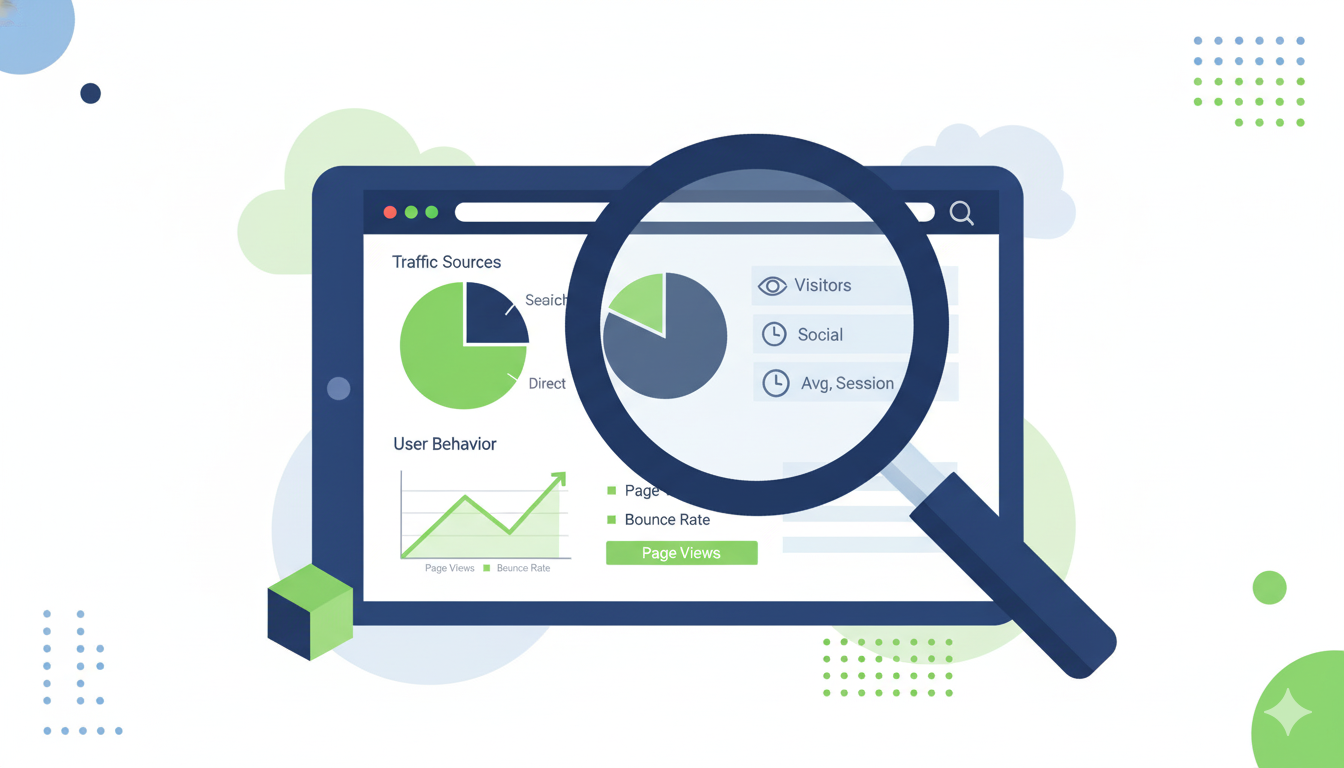
Actionable Framework:
- Identify Top Performers: Which pages drive the most organic traffic and conversions? These are your cornerstone assets.
- Find Underperforming Gems: Look for pages with high impressions but low CTR. A simple meta description and title tag optimization can yield massive gains.
- Prune or Update: Identify thin, duplicate, or outdated content. Either update it comprehensively (if it has backlinks or traffic potential) or 410-redirect it (if it’s irrelevant).
Pro Tip:
Use a tool like Screaming Frog to crawl your site and combine the data with your Google Search Console export in a spreadsheet. This gives you a complete technical and performance overview.
Step 2: Uncovering Hidden Opportunities with Data Analysis
This is where the real magic happens. A data-driven content strategy thrives on finding gaps in the market that you can exploit.
A) Keyword & Topic Gap Analysis: Use tools like Ahrefs, Semrush, or Moz to analyze your top competitors. Identify the keywords they rank for that you don’t. These are your low-hanging fruit opportunities.
B) Search Intent Decoding: Data reveals user intent. Classify keywords into four main intent categories, which form a powerful content funnel.
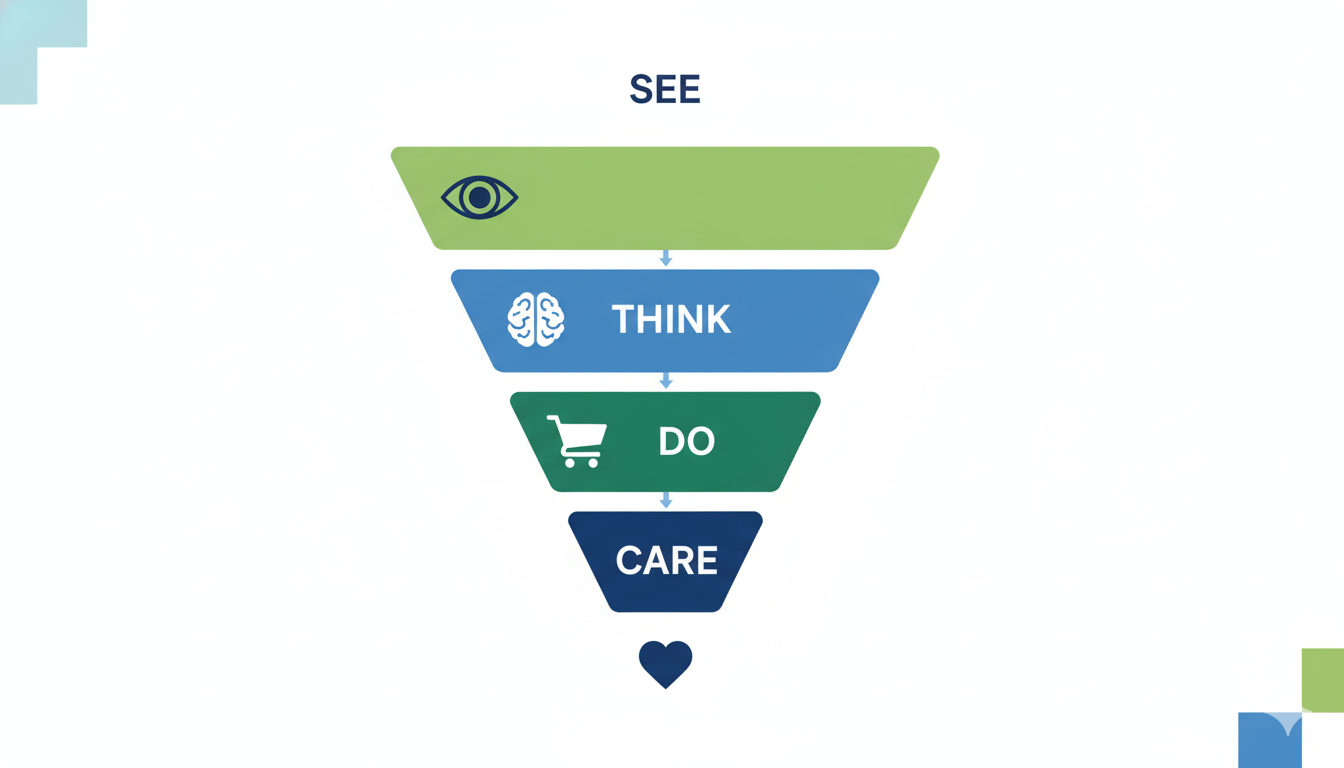
- Informational (See/Think): User is researching. (e.g., “what is a data driven content strategy”)
- Commercial Investigation (Think): User is comparing solutions. (e.g., “best seo content tools”)
- Transactional (Do): User is ready to buy. (e.g., “content strategy template download”)
- Navigational (Do): User is looking for a specific brand.
Matching your content format and depth to the user’s intent is critical for ranking and conversion.
Step 3: Strategic Content Mapping & Planning
Now, synthesize your data into an actionable plan. A data-driven content strategy requires a documented plan. Create a content calendar that maps your topics to the buyer’s journey, target keywords, and business goals.
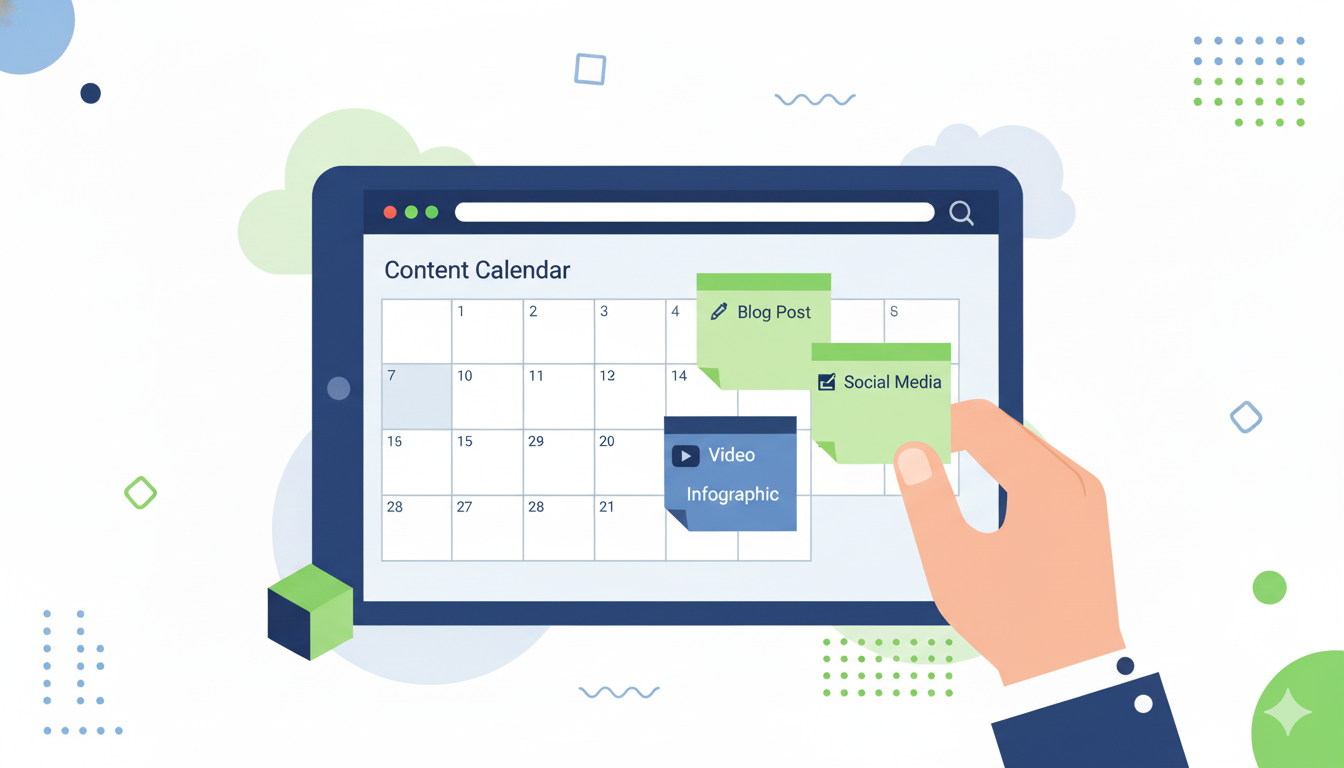
Pillar-Cluster Model: Organize your content around core topic pillars (e.g., “Content Strategy”). Create a comprehensive pillar page that covers the topic broadly, then support it with cluster articles (e.g., “Content Auditing,” “Keyword Gap Analysis”) that hyperlink back to the pillar. This creates a powerful topical authority signal for search engines.
Warning: Don’t Skip the Plan
Creating content without a strategic map is like driving without a destination. You’ll burn resources and never arrive where you want to be. The data from your audit and analysis must inform every piece of content you schedule.
Step 4: Creating High-Intent, Comprehensive Content
With your plan in place, it’s time to create. But creation in a data-driven content strategy isn’t about word count; it’s about comprehensively satisfying user intent better than the current top 10 results.
10x Content Principle: Analyze the top-ranking pages for your target keyword. Your content must be more helpful, more detailed, better designed, or more engaging. Use data to identify what “better” means: are the top pages missing video? Are they outdated? Do they fail to answer a key question?
Step 5: Amplification & Performance Measurement
Publishing is only half the battle. A data-driven content strategy includes a plan for promotion and rigorous measurement. Even the best content needs visibility. This is where understanding what is a backlink and its role in SEO becomes critical. Share your content across relevant channels, reach out to influencers, and conduct digital PR to earn quality backlinks.
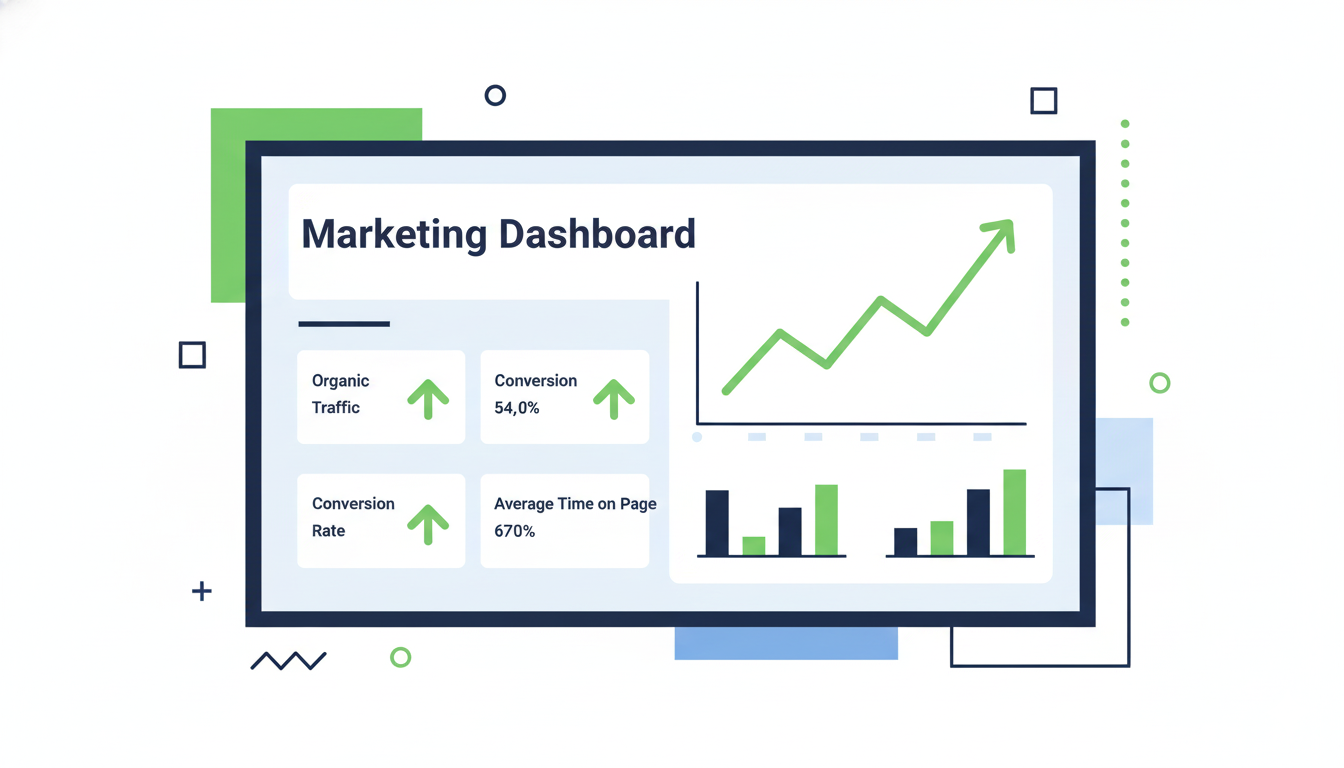
Measure What Matters: Track KPIs that tie to business outcomes, not just vanity metrics.
| Vanity Metric | Actionable KPI | Why It Matters |
|---|---|---|
| Pageviews | Organic Traffic | Shows true search engine performance. |
| Social Shares | Conversion Rate | Measures how effectively traffic turns into leads/customers. |
| Time on Page | Goal Completions | Directly ties content to business objectives. |
The 5-Step Data-Driven Content Framework: A Recap
Audit
Analyze your existing content performance using Google Search Console and Analytics.
Analyze
Conduct competitor and keyword gap analysis to find untapped opportunities.
Map
Create a strategic content calendar based on the buyer’s journey and pillar-cluster model.
Create
Develop comprehensive “10x” content that perfectly matches user intent.
Amplify & Measure
Promote your content and track actionable KPIs tied to business goals.
Frequently Asked Questions
What’s the biggest mistake people make when starting a data-driven content strategy?
They focus only on the “creation” step and skip the “audit” and “analysis” phases. Without understanding your current assets and the competitive landscape, you’re creating in the dark. The data from the first two steps is what makes the strategy “data-driven.”
How long does it take to see results from a data-driven content strategy?
While some technical optimizations can show results in weeks, sustainable organic traffic growth typically takes 4-9 months. Google needs time to discover, index, and rank your content, and it needs to accumulate authority signals like backlinks. Consistency is key.
What is the single most important metric to track for content?
There isn’t one. You need a dashboard. However, if forced to choose, Organic Traffic is the primary indicator of SEO success, and Conversion Rate is the primary indicator of business impact. They must be analyzed together.
Ready to Stop Guessing and Start Growing?
Implementing a true data-driven content strategy requires commitment, but the payoff is predictable, scalable growth. Stop leaving your organic traffic to chance. Use the framework in this guide to audit, analyze, and act your way to the top of the search results.
Start Your Content Audit Today